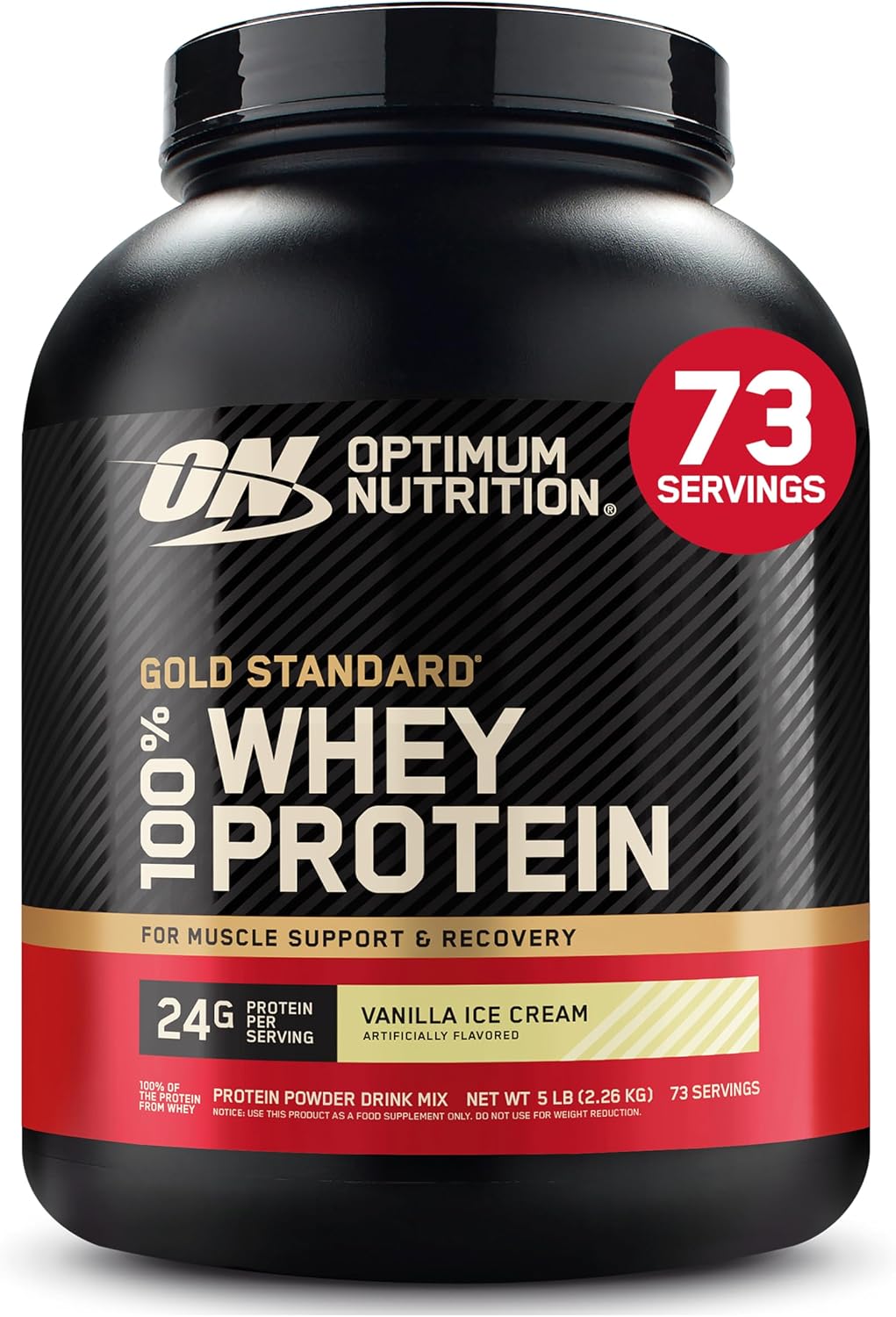
Optimum Nutrition Gold Standard 100% Whey
Vanilla Ice Cream · 5 lb
- Labelled serving: 31 g (about 1 scoop)
- 120 calories and 24 g protein per labelled serving
Nutrition comparison guide
Compare intended use, serving sizes, ingredients and practical limitations—not just marketing names.
Published:
Protein powder and mass gainer are not interchangeable. Protein powder is primarily a convenient way to add protein; mass gainers are typically formulated to provide more calories per serving, often from a combination of carbohydrate and protein. The right comparison depends on the exact label and what is missing from a person’s usual diet. Neither product is required for everyone, and neither guarantees weight gain.
General healthy-weight guidance emphasizes food-first changes such as balanced meals, snacks and calorie-dense additions when appropriate. Sudden or unexplained weight loss should be discussed with a healthcare professional rather than addressed only by buying a supplement. [1]
| Compare | Protein powder | Mass gainer |
|---|---|---|
| Main purpose | Convenient protein source | Often combines protein with more calories per labelled serving |
| Calories | Vary by formula; some provide relatively few calories | Often higher per serving; check the portion size |
| Protein | Compare grams, serving size and protein source | Compare grams, serving size and protein source |
| Other ingredients | Review allergens, sweeteners and added nutrients | Review carbohydrate sources, allergens and added nutrients |
| Cost | Compare actual servings and nutrients supplied | Compare actual servings and nutrients supplied |
| Limitation | Adding protein does not guarantee weight gain | A category name does not prove a muscle or weight outcome |
Affiliate disclosure: As an Amazon Associate I earn from qualifying purchases. Product links in this section are affiliate links; purchases may earn us a commission at no extra cost to you. Read our affiliate disclosure.
These are examples of two product types, not a ranking or a claim that either product is best for all women. Values below were transcribed from Amazon listing label screenshots supplied for editorial review. We have not independently tested these products or verified the current physical packaging. Check the selected flavour, size and current label before ordering.
Vanilla Ice Cream · 5 lb
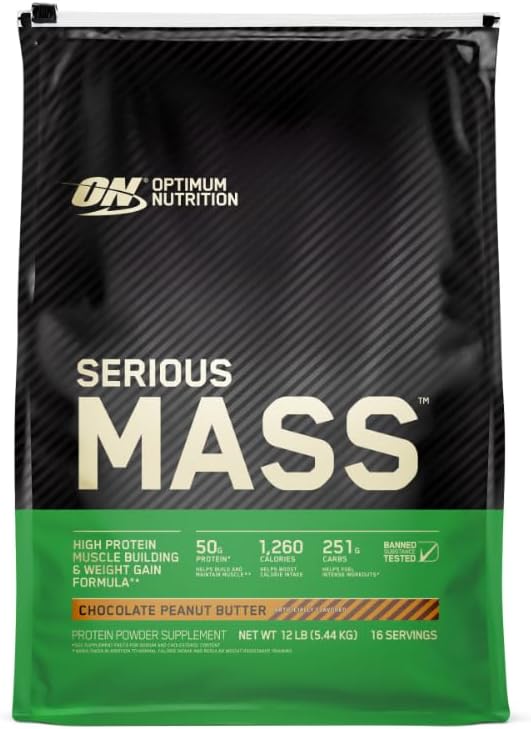
Chocolate Peanut Butter · 12 lb
| Label detail | Whey: Vanilla Ice Cream, 5 lb | Serious Mass: Chocolate Peanut Butter, 12 lb |
|---|---|---|
| Serving size | 31 g (about 1 scoop) | 340 g (about 2 scoops) |
| Servings per container | 73 | 16 |
| Calories per serving | 120 | 1,260 |
| Protein | 24 g | 50 g |
| Total carbohydrate | 4 g | 251 g |
| Total fat | 1.5 g | 6 g |
| Creatine monohydrate | Not listed in supplied ingredient panel | 3 g |
| Allergen statement | Contains milk and soy | Contains milk and soy |
Serving-size caution: 31 g and 340 g are not equal amounts of powder. These are manufacturer-labelled servings, not a suggested serving for every reader. Figures are for the labelled powder, not a drink with added milk. A larger calorie or protein number does not by itself make a product better.
Sources: supplied Vanilla Ice Cream 5 lb listing/label screenshot and Chocolate Peanut Butter 12 lb listing/label screenshots. Price and stock are not fixed here because they can change. The supplied short links are used as provided; their tracking and final destinations have not been independently verified. If the selected listing differs from this description, do not rely on this table for that variant.
Protein powders can use milk-derived whey or casein, soy, pea or other sources. A powder may conveniently add protein when food alone does not meet a need. But the name does not tell you how many calories a product provides: read the nutrition panel and serving size.
Protein supports muscle maintenance and repair. NIH notes that protein requirements can be met through food, while supplements may help when needed. Research findings should not be stretched beyond the population, ingredient, amount or outcome actually studied. [2]
Mass gainers are powders marketed to provide a larger amount of energy per serving, often through carbohydrate and protein. Formulas and portions vary. Compare the labelled serving with the amount you actually plan to mix and drink.
The name does not establish that the product will increase muscle, create a specific body shape or suit every person. Overall food intake, activity, health and individual circumstances matter. Avoid guaranteed-result and rapid-transformation claims.
Start with the practical gap rather than a brand or product category:
These are decision prompts, not a personalized prescription. [1] [3]
In the United States, dietary supplements are not approved by the FDA for safety and effectiveness before marketing. Review FDA consumer information and discuss uncertainties with a qualified professional. [3]
Before buying a powder, consider whether regular meals, snacks or a homemade drink could meet the practical need. NHS guidance discusses gradual weight gain through balanced eating, snacks and calorie-dense additions. Individual circumstances vary; general guidance is not a personalized plan. [1]
Supplements should not automatically replace varied meals. When muscle gain is a goal, nutrition is only one consideration; suitable exercise, recovery and individual health also matter. [1] [2]
Safety depends on ingredients, amounts, product quality, medicines, allergies and personal circumstances. Read ingredient lists and warnings. Ask a healthcare professional or pharmacist about potential interactions, especially if you take medicines or have a health condition. [3]
Do not assume a general adult comparison applies during pregnancy or breastfeeding; ask your clinician before starting a supplement. If weight loss is sudden or unexplained, seek medical assessment rather than relying on a powder to address the cause. [1] [3]
There is no universal winner. Compare calories, protein, portion size, ingredients, cost and individual needs.
No. Its contribution depends on its label and how it fits the overall diet and individual circumstances.
Do not assume so. Read the stated intended use and nutritional information. Products differ.
A product can supply calories or nutrients, but it does not guarantee a particular body-composition outcome. Seek personalized advice if you are unsure what is appropriate.
Speak with a healthcare professional, particularly if the change is sudden or unexplained. [1]
Protein powder is primarily a convenient protein source; mass gainers are usually formulated to offer more calories per serving. The exact label—not the product name—shows what you consume. Compare actual needs, serving sizes, ingredients and food-based alternatives. Neither option is necessary or suitable for everyone.
For the broader context, read our weight gain supplement safety and evidence guide. For product options, see our weight gain supplement comparison guide.
This educational guide summarizes public guidance and the supplied product-label screenshots described above. It is not a report of hands-on product testing or individualized medical care. Product values may change; verify current packaging. Affiliate links are disclosed in the product section.
Medical disclaimer: Educational information only, not medical advice, diagnosis or treatment. Consult a qualified healthcare professional about individual needs, medical conditions, medicines or supplement use.