Best Weight Gain Supplements for Women: 8 Options Compared (2026 Guide)
By Everyday Health Lens
Affiliate disclosure: Some links on this page are affiliate links. If you buy through them, Everyday Health Lens may earn a small commission at no extra cost to you. This does not change our editorial approach. Read our full affiliate disclosure for details.
Medical note: This guide is for general education only and is not medical advice. Talk with a qualified healthcare professional before starting any supplement.
If you are searching for the best weight gain supplements for women, you have probably noticed how crowded the market is. Mass gainers, protein powders, nutrition shakes, and creatine all promise convenience, but they are built for different needs.
This guide compares eight popular options so you can see how they differ in format, calories, protein, and suitability. We explain who each product is designed for, what to consider before buying, and who may want to look elsewhere. For a wider overview, visit our weight gain supplements for women hub.
One point matters more than any product: healthy weight gain generally depends on a consistent calorie surplus, enough protein, and resistance training. Supplements are optional support, not a replacement for food or professional guidance.
Weight gain supplements are products that add calories, protein, or specific ingredients to your routine. They may make it easier to reach your daily targets, especially if you have a small appetite or a busy schedule.
They do not work on their own. Gaining weight in a balanced way usually requires three things:
A consistent calorie surplus: eating more energy than your body uses over time.
Adequate protein: spread across the day.
Resistance training: so extra energy is more likely to support muscle rather than only body fat.
We do not claim that any product will cause weight gain, and none of these supplements changes body shape in a targeted way. Results vary from person to person.
How we rated these products: Ratings are editorial assessments based on the manufacturer-provided details listed in this guide, such as format, calories, protein, and suitability. They are not lab-test results or personal testing results. Always check the current product label, as formulas, flavors, and serving sizes can change.
Our Picks: The Best Weight Gain Supplements for Women
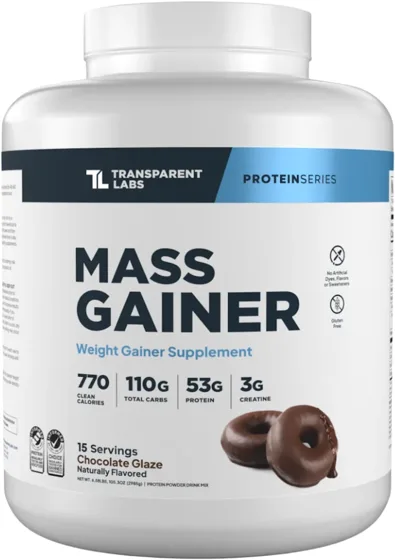
1. Transparent Labs Mass Gainer
Best for: Best overall mass gainer
Rating: 4.7/5
Why we like it
Designed as a high-calorie mass gainer powder that makes a calorie surplus more convenient.
Provides 53g of protein and approximately 770 calories per serving, based on the Chocolate Glaze label shown.
Includes 3g of creatine monohydrate, an ingredient commonly used alongside resistance training.
Powder format mixes into shakes or smoothies, so you can adjust thickness and add-ins.
The front label lists no artificial dyes, flavors, or sweeteners and says gluten free; confirm on the current label.
Things to consider
At approximately 770 calories per serving, it has fewer calories than the very high-calorie gainers in this guide.
It already contains creatine, so check totals before adding a separate creatine product.
Nutrition values and ingredients can vary by flavor, so read the label.
Check for allergens, sweeteners, and any ingredients you prefer to avoid.
Who should choose it
This is a good fit for women who lift weights and want a convenient way to add calories and protein. It suits people who like an all-in-one option.
Who may want to skip it
If you want to keep creatine separate or prefer a smaller serving, another option may fit better. People with low appetite may find the serving size hard to finish.
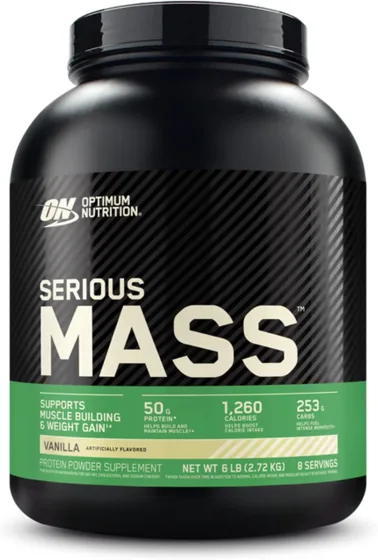
Provides approximately 1,260 calories per serving (vanilla label shown), a large boost for a calorie surplus.
Offers approximately 50g of protein per serving.
Powder format works with water, milk, or blended recipes.
Well suited to people who find it hard to eat enough through meals alone.
Widely available from a well-known sports nutrition brand.
Things to consider
A very high-calorie serving can be too much at once; some people split it into smaller portions in line with the label.
Large servings may cause fullness or digestive discomfort for some.
Calories and macros vary by serving size and flavor.
Check the label for allergens and added ingredients.
Who should choose it
This suits women with high calorie needs or a very small appetite who struggle to eat enough food. It is also practical for busy days when meals get skipped.
Who may want to skip it
If you only need a modest calorie boost, this may be more than necessary. Those sensitive to large servings may prefer a smaller shake.
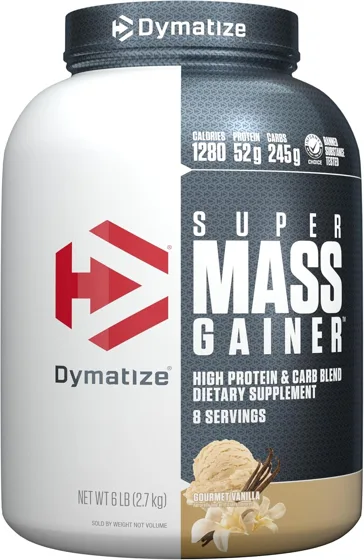
Provides approximately 1,280 calories per serving, among the highest in this guide.
Offers approximately 52g of protein and 245g of carbohydrates per serving.
The front label shows a banned-substance-tested mark; check the brand's site for details.
Powder format allows mixing with milk or blending into smoothies.
Useful for hardgainers who find regular meals insufficient.
Things to consider
The calorie level is very high, so it is not suited to everyone.
Servings can be large; follow label directions rather than increasing amounts.
Taste, texture, and digestion vary from person to person.
Review the ingredient list for sweeteners and allergens.
Who should choose it
This suits women who have trouble gaining weight and have high daily energy needs. It may help when training volume is high and food intake is hard to increase.
Who may want to skip it
If you need only a small calorie increase, a lighter product may be easier to use. People who prefer simpler ingredient lists may want to compare other options.
A high-calorie protein and carbohydrate formula designed to support a calorie surplus.
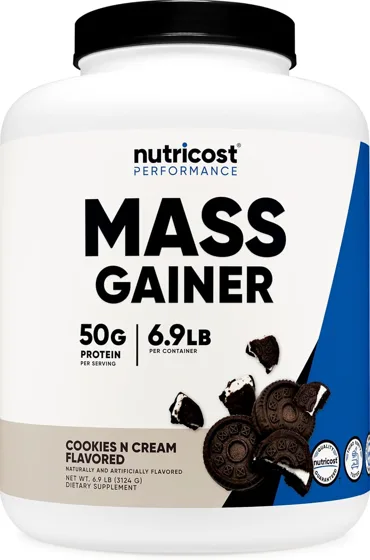
The Cookies N Cream tub shown lists 50g of protein per serving and a third-party-tested mark on the front.
Powder format is flexible for shakes and smoothies.
Simple to use as a daily add-on to meals.
A reasonable starting point if you are new to mass gainers.
Things to consider
Compare cost per serving rather than container price alone.
Calories and protein vary by flavor, so check the label.
Budget products may offer fewer extras than premium formulas.
Check for third-party testing information from the brand.
Who should choose it
This works for readers who want a straightforward mass gainer without paying for extras. It suits people trying the category for the first time.
Who may want to skip it
If you want added ingredients such as creatine, or very specific nutrition details, you may prefer another pick. Those with strict dietary needs should check allergens first.
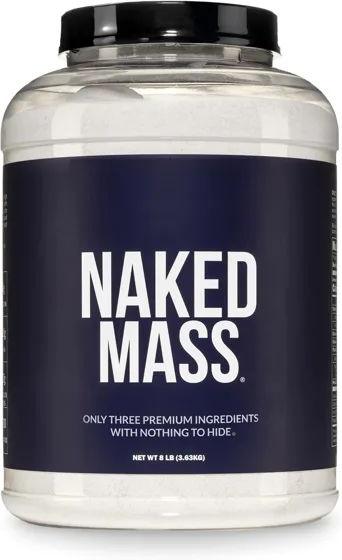
A high-calorie formula with protein and carbohydrates.
The front label says it uses only three ingredients, a simpler list than many mass gainers.
Often used in smoothies, which makes it easy to add fruit, nut butter, or milk.
Appeals to people who like to know what is in their supplement.
Fewer added extras may suit those who prefer a minimal approach.
Things to consider
A simple formula may taste plainer than flavored products.
Mixing may take more effort for a smooth texture; a blender can help.
Check the label for the exact calories, protein, and sourcing.
Simple does not automatically mean better for every person.
Who should choose it
This suits women who prefer a short ingredient list and like making their own smoothies. It can be a flexible base for customizing flavor and calories.
Who may want to skip it
If you want sweet, ready-flavored shakes, this may not appeal. People who dislike blending or want grab-and-go convenience may prefer a ready-to-drink option.
Ready-to-drink format needs no mixing, which is convenient.
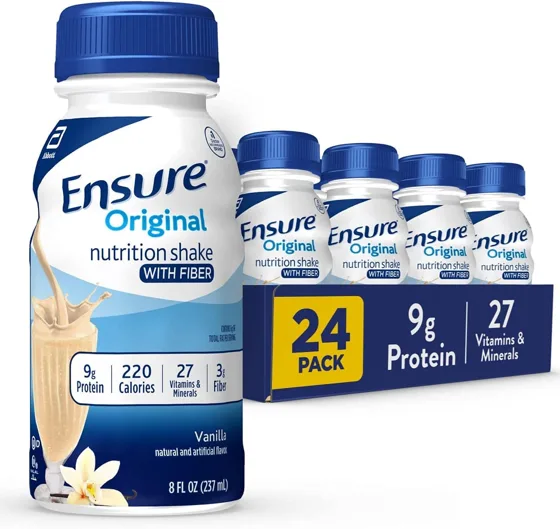
The 8 fl oz vanilla bottle shown lists 220 calories, 9g of protein, and 3g of fiber (Ensure Original with fiber).
Can be easier to drink than eating a full meal when appetite is low.
Handy for work, travel, or busy mornings.
Easy to add between meals without much preparation.
Things to consider
Each bottle has fewer calories than a typical mass gainer serving, so you may need more than one.
Check the label for calories, protein, sugar, and allergens.
Ready-to-drink bottles can be less cost-efficient than powders.
It is not designed for people on restricted diets without professional guidance.
Who should choose it
This suits women with low appetite or those who want a portable, no-prep option. It works well as a small addition between meals.
Who may want to skip it
If you need a very large calorie boost, a powder may be more efficient. People who want a plant-based or dairy-free option should check the label carefully first.
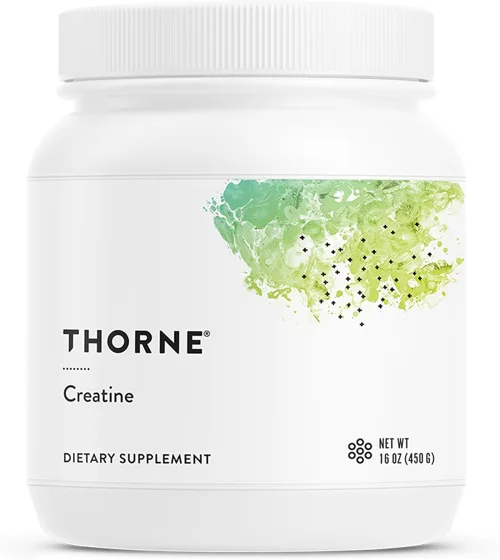
A creatine monohydrate powder, a form commonly studied in sports nutrition.
Creatine may support strength, recovery, and muscle gain when combined with resistance training.
Not a calorie product, so it pairs with your own meals and shakes.
Comes in a 16 oz (450 g) tub as a simple powder to mix into water or a smoothie.
Fits easily next to a mass gainer or regular diet.
Things to consider
It adds almost no calories, so it will not close a calorie gap on its own.
Creatine can cause water retention for some people, which may affect scale weight.
Do not combine with other creatine products without checking totals.
People with kidney concerns or on medication should ask a professional first.
Who should choose it
This suits women focused on strength training and lean muscle gain who already eat enough food. It is a targeted add-on rather than a meal substitute.
Who may want to skip it
If your main challenge is eating enough calories, a mass gainer or shake may help more. Anyone with a medical condition or taking medication should speak with a healthcare professional first.
A vegan-ready nutrition shake that provides plant-based calories and protein.
Suitable for readers who avoid dairy or animal products.
Ready-to-drink format is convenient and portable.
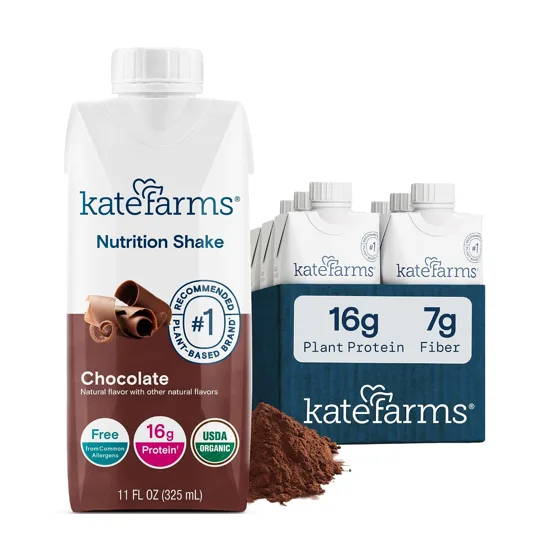
The chocolate carton shown lists 16g of plant protein, 7g of fiber, and a USDA Organic mark.
Works as a meal-time add-on or a between-meal snack.
Things to consider
Calories and protein per bottle may be lower than a mass gainer, so you may need more than one.
The front label says free from common allergens, but check the full label for your own needs.
Ready-to-drink formats can cost more per serving than powders.
Taste and texture are personal, so flavors may not suit everyone.
Who should choose it
This is a good match for vegan or dairy-sensitive women who want a convenient shake. It also suits people who prefer plant-based ingredients.
Who may want to skip it
If you need very high calories in a single serving, a powder gainer may be more practical. People with nut or soy allergies should verify the ingredients first.
Figures come from the front labels of the flavors shown (Chocolate Glaze, Vanilla, Cookies N Cream, Chocolate). Other flavors and pack sizes may differ, so always confirm on the current label.
How to Choose a Weight Gain Supplement
Calorie Needs
Start by thinking about how many calories you eat now and how much more you need. A small, steady increase is often easier to maintain than a big jump. A healthcare professional or registered dietitian can help estimate a suitable target.
Protein Needs
Protein supports muscle maintenance and repair, especially with training. Many mass gainers provide a large amount per serving, but you may already get plenty from food. Check your total daily intake before adding more.
Mass Gainer vs Protein Powder vs Ready-to-Drink Shake vs Creatine
Mass gainer: high in calories, carbohydrates, and protein. Useful when calories are the main gap.
Protein powder: mostly protein with fewer calories. Useful if you need protein but not many extra calories. If you are searching for protein powder for weight gain, women often blend it with milk, oats, or nut butter to add energy.
Ready-to-drink shake: convenient and portable, usually with fewer calories per serving.
Creatine: not a calorie source. People often consider creatine for women weight gain goals tied to strength training, but it works alongside food and exercise, not instead of them.
Ingredient Transparency
Look for clear labels that list ingredients, amounts, and allergens. Be cautious of proprietary blends that hide exact quantities.
Third-Party Testing
Some brands share results from independent testing. This can add confidence about label accuracy, though it does not guarantee suitability for you.
Allergens and Dietary Preferences
Check for milk, soy, nuts, gluten, and other allergens. If you follow a vegan or dairy-free diet, confirm the product fits.
Budget and Serving Size
Compare the cost per serving and the number of servings per container. A cheaper tub is not always better value if you need multiple servings.
Why Resistance Training Matters
Resistance training gives your body a reason to use extra energy and protein to support muscle. Without it, added calories are less likely to support lean mass.
How to Use Weight Gain Supplements Safely
Start with food first. Build meals and snacks around whole foods, then use supplements to fill gaps.
Support a calorie surplus. Use shakes to add calories gradually, not to replace meals.
Follow label directions. Use the serving size and instructions printed on the product.
Avoid doubling servings without professional guidance.
Monitor digestion and tolerance. Bloating, nausea, or discomfort are signs to scale back or stop.
Speak with a healthcare professional if you are pregnant, breastfeeding, managing a health condition, or taking medication.
What is the best weight gain supplement for women?
There is no single best choice. Mass gainers suit high calorie needs, ready-to-drink shakes suit low appetite, and creatine suits strength training. Match the product to your goal, diet, and budget.
Do weight gain supplements really work?
They may make it easier to reach a calorie and protein target, but results depend on your overall diet, training, and individual factors. They are not a shortcut.
Are weight gain pills safe for women?
Safety depends on the product and the person. Check labels, avoid unverified products, and talk to a healthcare professional, especially if you take medication or have a health condition.
What is the difference between a mass gainer and protein powder?
A mass gainer contains many calories from carbohydrates and protein. Protein powder is mainly protein with fewer calories.
Can creatine help women gain weight?
Creatine may support strength and muscle gain alongside resistance training, and it can increase water retention in some people. It does not add meaningful calories.
How long does it take to gain weight safely?
A gradual pace is generally considered more sustainable. Timelines vary, so a healthcare professional or dietitian can suggest a realistic goal for you.
Can I gain weight without supplements?
Yes. Many people do it with calorie-dense foods, regular meals, snacks, and resistance training. Supplements are optional.
Who should avoid weight gain supplements?
People who are pregnant, breastfeeding, managing a health condition, taking medication, or who have allergies should speak with a healthcare professional first. Anyone with a history of disordered eating should seek professional support before using them.
Final Verdict
The best weight gain supplements for women are the ones that match your needs, tolerate well, and fit alongside a food-first routine.
For most readers who train, Transparent Labs Mass Gainer is our best overall pick, combining calories, protein, and creatine in one powder. If you struggle to eat enough, Optimum Nutrition Serious Mass offers a very high-calorie option. For a portable, no-mixing choice, Ensure Original Nutrition Shake is a convenient ready-to-drink way to add calories. If your focus is strength training, Thorne Creatine Powder is a simple add-on that pairs with resistance training.
Whichever you choose, read the label, follow serving directions, and build on a steady calorie surplus, enough protein, and regular training. Supplements support your plan; they do not replace it.
Everyday Health Lens provides educational information only and does not provide medical advice. Supplements may not be suitable for everyone. Speak with a qualified healthcare professional before starting any new supplement, especially if you are pregnant, breastfeeding, managing a health condition, or taking medication.